
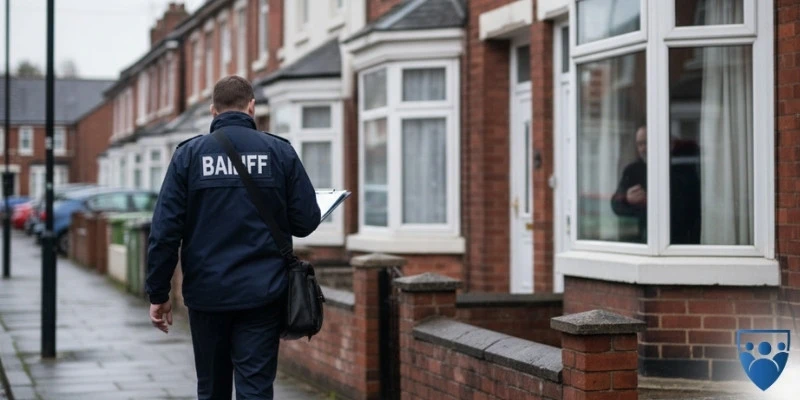
Will Bailiffs Give Up?
The Ultimate Guide To Will Bailiffs Give Up. We Deep Dive Into The Questions You Need Answering
Will Bailiffs Give Up?
Summary
Bailiffs rarely give up completely, but they may stop visiting or return a case to the creditor if they cannot recover payment or locate assets of value. However, that doesn’t mean the debt is written off — it usually returns to the creditor, who may take other action such as applying for a court order or using a different enforcement agent.
Introduction
When you’re behind on payments and facing bailiffs, it’s natural to wonder: “Will bailiffs ever give up?”
The thought of someone knocking on your door or threatening to remove belongings can cause huge stress. But understanding how bailiffs operate — and when they actually stop chasing you — can make the situation less frightening and help you make informed choices.
This guide explains:
-
When bailiffs may give up or stop chasing you.
-
How long they’ll keep trying to collect.
-
What happens when bailiffs can’t find anything to take.
-
What to do if they won’t leave you alone.
What Can Bailiffs Actually Do?
Bailiffs (officially called enforcement agents) are authorised to collect unpaid debts such as:
-
Parking fines or penalty charge notices
-
County Court Judgments (CCJs)
-
High Court debts
-
Business rates or commercial arrears
They can visit your property, take control of goods, or arrange repayment plans. But bailiffs must always act under strict rules set out in the Taking Control of Goods Regulations 2013 — they cannot harass or threaten you.
Do Bailiffs Ever Give Up?
Sometimes — but not often.
Bailiffs are paid to recover money or seize goods of value. If they can’t do either, they might eventually give up and return the case to the creditor.
They may give up if:
-
You genuinely have no goods or assets of value.
-
You can prove financial hardship.
-
They can’t make contact or gain access to your property.
-
The cost of enforcement is higher than the debt itself.
Even then, the debt doesn’t disappear — it usually goes back to the creditor, who might send another bailiff later or take you to court again.
Will Bailiffs Stop Chasing Me?
Not immediately.
If you ignore them, bailiffs can keep trying to contact you for months. They might visit several times, send letters, and call repeatedly.
However, if after several attempts they find you have no means to pay or nothing to take, they may eventually mark the case as unenforceable.
That’s not the same as the debt being cancelled — it just means the bailiff can’t recover it right now.
How Long Before Bailiffs Give Up?
A warrant or writ of control (the legal document that allows bailiffs to collect a debt) usually lasts 12 months from the date it was issued.
If bailiffs haven’t managed to collect within that time, the creditor can apply to renew the warrant, allowing them to keep trying.
So, while they may give up temporarily, the creditor could restart enforcement at any time until the debt is resolved.

Get Help To Stop Bailiff Action Now
We Help Hundreds Of Clients Per Week To Stop Bailiff Debt Going Further
Will Bailiffs Go Away If I Ignore Them?
No — ignoring bailiffs won’t make them go away.
In fact, avoiding contact can make things worse. They may continue visiting, add extra fees, or even take enforcement action without warning.
Instead of ignoring them:
-
Contact them in writing.
-
Offer a realistic payment plan.
-
Seek regulated debt advice.
It’s better to show willingness to pay what you can afford than to hide and hope they give up.
Do Bailiffs Give Up If You Have Nothing?
Yes — sometimes.
If you genuinely have nothing of value and no income they can legally take, bailiffs may eventually stop visiting and return the case.
They’ll usually confirm this after a few visits or checks. The creditor will then decide whether to write the debt off or pursue it later.
However, be aware:
-
The debt remains outstanding.
-
The creditor can reissue enforcement later.
-
Interest or charges may continue to build.
What Happens When Bailiffs Can’t Find Anything to Take?
If bailiffs can’t find goods to seize or aren’t allowed inside, they may list the case as “null return” or “unenforceable”.
This means they’ve tried but couldn’t recover the money. At this point:
-
The case goes back to the creditor.
-
Enforcement usually pauses.
-
You may start receiving letters from a debt collection agency instead.
If you’re in this situation, getting free debt advice can help you secure breathing space and stop the problem resurfacing.
Can Bailiffs Come Back After Giving Up?
Yes.
Even if bailiffs give up now, the creditor can re-instruct them later, or appoint a different firm altogether.
This can happen if:
-
Your financial situation improves.
-
They find new information about your address or assets.
-
The debt remains unpaid.
That’s why it’s always better to address the issue — through an affordable plan or debt solution — rather than waiting for it to come back.
Will Bailiffs Leave Me Alone If I Start Paying?
Usually, yes.
If you agree a controlled goods agreement (payment plan) and make your payments on time, bailiffs should stop visits and phone calls.
However, if you miss payments, they can resume enforcement. Always keep proof of payments and stay in touch if you run into difficulties.
Conclusion
So, will bailiffs give up? — not usually. They might stop visiting if you have no assets or income, but the debt will still exist.
The best way to make bailiffs give up for good is to take control of your situation. Setting up an affordable plan, getting regulated debt advice, or entering a formal debt solution can stop enforcement, protect your possessions, and help you move forward.
See Our FULL GUIDE On Bailiffs — Speak to an expert today for free, confidential advice on stopping bailiff action.
Key Takeways
-
Bailiffs rarely give up completely — they may pause or return your case, but the debt remains.
-
A warrant lasts 12 months and can be renewed.
-
Ignoring bailiffs won’t stop them; communication and advice will.
-
If you have nothing, enforcement may pause — but creditors can try again later. See Our Blog On What Can Bailiffs Take for more detail
-
Free, regulated debt advice can stop bailiffs legally and safely.
Contact Our Experts Today
By submitting your details you are agreeing to UK Debt Support contacting you by Phone, Text and Whatsapp, You also agree to the information located in our privacy policy
What Our Clients Say About Us
"They really helped me get out of a massive hole of debt I was falling worse into I can't thank them enough for helping me I feel so much beta and can sleep now without worrying what's going to happen"
Sharon
“ I felt a lot of pressure had been taken off me once I had spoken to them. They kept me upto date every step of the way during my Iva set up and I was able to call anytime I needed advice.”
Holly
“Excellent service and the most understanding and polite staff. Very straight forward and easy to understand and clear problem solving. Private and confidential discussions with confidence. Thank you to all.”
Michelle
We’re Here To Answer
all your questions
Do Bailiffs Ever Just Give Up?
Sometimes — if you have no goods or income they can take, they might stop visits and return your case to the creditor. But the debt still exists and can be chased later.
How Long Before Bailiffs Give Up?
A bailiff’s warrant usually lasts 12 months, but creditors can renew it. They’ll only give up if they can’t collect after several attempts or if it’s not worth pursuing further.
Will Bailiffs Go Away If I Ignore Them?
No. Ignoring bailiffs can lead to extra visits, added fees, and more stress. It’s better to contact them in writing or speak to a debt adviser.
Do Bailiffs Give Up If You Have Nothing?
Yes — they may stop visits if you genuinely have nothing of value or proof of hardship. However, the debt remains unpaid and may resurface later.
What Happens When Bailiffs Can't Find Anything To Take?
They’ll return the case to the creditor as “unenforceable.” The creditor might pause recovery or try again later using another enforcement firm.
Can Bailiffs Come Back After Giving Up?
Yes. Even if they’ve given up for now, the creditor can re-instruct them at any time or pass the debt to a different bailiff company.
Do Bailiffs Eventually Give Up?
If your payments are consistent and reasonable, bailiffs will usually stop enforcement. However, if the payments are too low to clear the debt, they may review the plan.
Can Bailiffs Give Up I Enter A Debt Solution?
Yes. If you enter an IVA, Debt Relief Order, or bankruptcy, bailiffs must stop enforcement once the solution is approved.
Will Bailiffs Stop If I Tell Them Im Vulnerable?
If you’re classed as a vulnerable person (for example, due to illness, disability, or mental health issues), bailiffs must take extra care. In some cases, enforcement can be suspended.
Can Bailiffs Find me If I Move House?
Possibly. Creditors may trace your new address using credit records or tracing agents. Moving doesn’t erase the debt.
Can Bailiffs Take My Car If I Have Nothing Else?
They can if the car isn’t exempt (for example, if it’s essential for work or mobility). If it’s protected, you can challenge the seizure.
Do Bailiffs Ever Stop Calling Or Writing Letters?
They may stop after returning the case, but creditors can still contact you later through other debt collection channels.
What Happens If Bailiffs Take Goods?
If bailiffs remove goods, they are taken to storage and sold at auction. The money goes toward your debt, minus bailiff fees. If the goods sell for less than their value, you may still owe the remaining balance. You can pay in full before auction to reclaim them
How Do I Challenge Bailiff Action Or Complain?
You can complain to the bailiff company, the creditor who instructed them, or escalate to the courts. You can also seek help from Citizens Advice or the trade body CIVEA. Complaints may succeed if bailiffs take exempt goods, behave aggressively, or fail to follow the law
What Are My Rights If A Vulnerable Person Is Present?
If you or someone in your household is vulnerable — for example, due to disability, serious illness, pregnancy, or age — bailiffs must act with extra care. They may need to withdraw or reschedule. You should tell the creditor and the bailiff company immediately if vulnerability applies.

Email us – Enquiries@ukdebtsupport.co.uk

You can visit the Money Helper website to find out more about managing your money and to get free advice, they are an independent service set up to help people manage their money
UK Debt Support is a trading style of SLWB LTD (Company No. 16451543).
Registered Office: Second Floor A, Cheadle Place, Cheadle, Cheshire, England, SK8 2JX.
Adam Southard is authorised as a Licensed Insolvency Practitioner in the United Kingdom by the Insolvency Practitioners Association, We only provide advice after completing or receiving an initial fact find where the individual(s) concerned meet the criteria for one of our insolvency solutions, therefore, all advice regarding Individual Voluntary Arrangements (IVA) is given in reasonable contemplation of an insolvency appointment.
Adam Southard is licensed to act as an Insolvency Practitioner in the UK by the Insolvency Practitioners Association. Office Holder No. 11930
Insolvency Practitioner Directory- Insolvency Practitioner Details (bis.gov.uk)
What you need to know about Individual Voluntary Arrangements
(Insolvency Service)
We provide solutions to individuals throughout the UK, We Will help recommend solutions available to your circumstances in which you can then make an informed decision about which solution you qualify for is best for you and your circumstances.
- Privacy Policy
- Complaints Handling Policy